
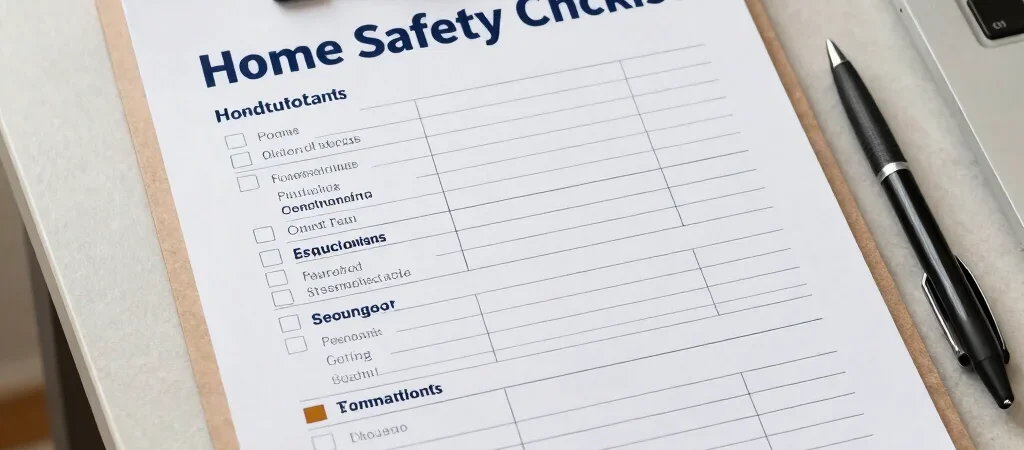
A checklist tucked into a drawer cannot help you remember the window that sticks or the account that still needs a unique password. The point of a home safety checklist is not to create a perfect record; it is to make the next sensible step easy to see. Keep the page short enough to use and specific enough to act on.
Sort Checks by Timing
Separate quick habits from occasional reviews. Locking the door, securing a laptop before stepping away, and closing accessible windows belong in everyday routines. Checking apartment entry hardware, reviewing account recovery options, or asking about a maintenance issue can happen less often.
Use a timing label that fits your household, such as “daily,” “monthly,” or “when something changes.” A move, a new roommate, a different work setup, or a repair can all be good reasons to revisit the relevant items. Avoid assigning a schedule to equipment or building systems unless the manufacturer, property manager, or other responsible source provides one.
Write Down the Next Action
Instead of marking “door” as done, write what you checked: the entry latch catches, the deadbolt turns, or a maintenance request is needed. For digital habits, note the action rather than private credentials, such as “enable multifactor authentication on email.” Never put passwords, access codes, or recovery answers on a printed checklist.
For anything outside your control, record who you contacted and when. A note like “sent property manager a photo of the loose window latch” is easier to follow up on than a vague reminder to fix the window. Keep personal details and photos of home access points somewhere private.
Make the Page Easy to Revisit
Put the checklist where it supports the habit without exposing private information, such as inside a cabinet door or in a folder near your desk. If you prefer a digital copy, keep it in a place you can access without putting sensitive details in a shared household document. Cross off completed items and leave open issues visible.
A useful free printable should help you notice what needs attention, not promise that a home or account is risk-free. Start with a renter-friendly walk-through, add a few work-from-home habits, and leave space for follow-up notes. If the sheet gives you one clear action to take today, it is doing its job.